Science / Mechanisms
UNDERSTAND THE
BIOLOGY. QUESTION
THE CONCLUSION.
Twelve reading guides connect cellular mechanisms to the models and outcomes actually studied. Use them to ask a more precise next question.

Concept illustration · not experimental data
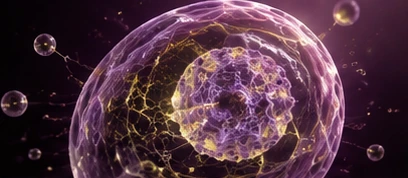
Mechanism / Reading guide
Cell identity
What must stay the same when a cell becomes more functional?
3 linked source records↗
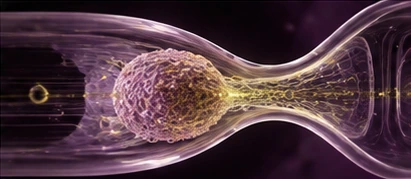
Mechanism / Reading guide
Cell mechanics
Physical organization as a research variable.
1 linked source record↗

Mechanism / Reading guide
Mitochondria
Connect the energy readout to what a tissue does.
2 linked source records↗

Mechanism / Reading guide
Senescence
A context problem before it is a treatment target.
2 linked source records↗

Mechanism / Reading guide
Microbiome
Resolve the causal chain, not the marketing category.
1 linked source record↗
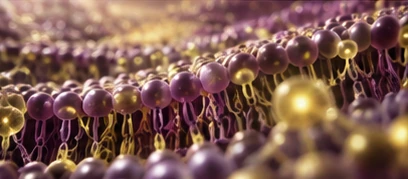
Mechanism / Reading guide
Lipid metabolism
Composition and remodeling deserve separate attention.
3 linked source records↗

Mechanism / Reading guide
Targeted delivery
Place and duration are part of the mechanism.
2 linked source records↗

Mechanism / Reading guide
Tissue repair
Recovery from injury is not identical to reversing aging.
2 linked source records↗

Mechanism / Reading guide
Telomeres
A cellular measurement, not an age-reversal percentage.
1 linked source record↗

Mechanism / Reading guide
RNA regulation
Changing the instructions a cell reads.
1 linked source record↗
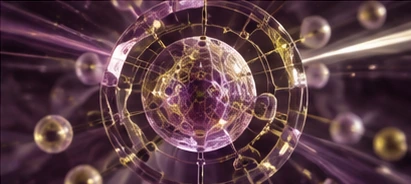
Mechanism / Reading guide
Biological clocks
A model output is a measurement—not a verdict.
2 linked source records↗

Mechanism / Reading guide
Multimodal measurement
Look for agreement, but investigate disagreement.
3 linked source records↗