CRISPR Target Dossier
Turn an interesting target into an inspectable decision.
Scope an engagement
Connect the biology to what comes next: target evidence, useful endpoints, a qualified study and a decision worth making.
Karam’s proposed starting point is focused gene-regulation research in relevant cell models. The goal is useful function with preserved identity—not a younger marker in isolation.
The eventual intervention could be a drug, RNA, protein, engineered cell or gene editor. That is why the first practical assets are an inspectable evidence dossier, a well-specified study and a reproducible result—not the editor alone. [C01] [C02] [C03] [C06]
Choose the biological function or development decision that matters.
Retain species, cell type, intervention direction and source limits.
Confirm expertise, data, rights, laboratory capacity and acceptance criteria.
Use the evidence to choose a justified next action, including no action.
Four specialized research scopes connect this scientific direction to an actual buyer question. Existing CRISPR Screen Review remains the route for discovery-screen quality and hit robustness.
Turn an interesting target into an inspectable decision.
Scope an engagementDefine the useful experiment before commissioning it.
Requires scientific and laboratory qualificationThe percentage edited is not the whole result.
Requires technical qualificationTest the climate claim before funding the process.
Scope an exploratory engagementExisting screen data? Explore CRISPR Screen Review. Budget references are proposed tests from the commercial map, not verified sales or immediate laboratory availability.
Proposed programs organize the work. They do not imply validated targets, an operating Karam laboratory, therapeutic authorization or completed studies.
Find what changes function. Not just what changes a marker.
Proposed program · Partner qualificationInterrupt the damage. Preserve the maintenance.
Proposed program · Mechanistic lead reviewGive immune-cell research a sharper functional question.
Proposed program · Specialist partners soughtA biological effect is the beginning. A net climate benefit is the test.
Exploratory program · Proposed Karam × Weatherhill direction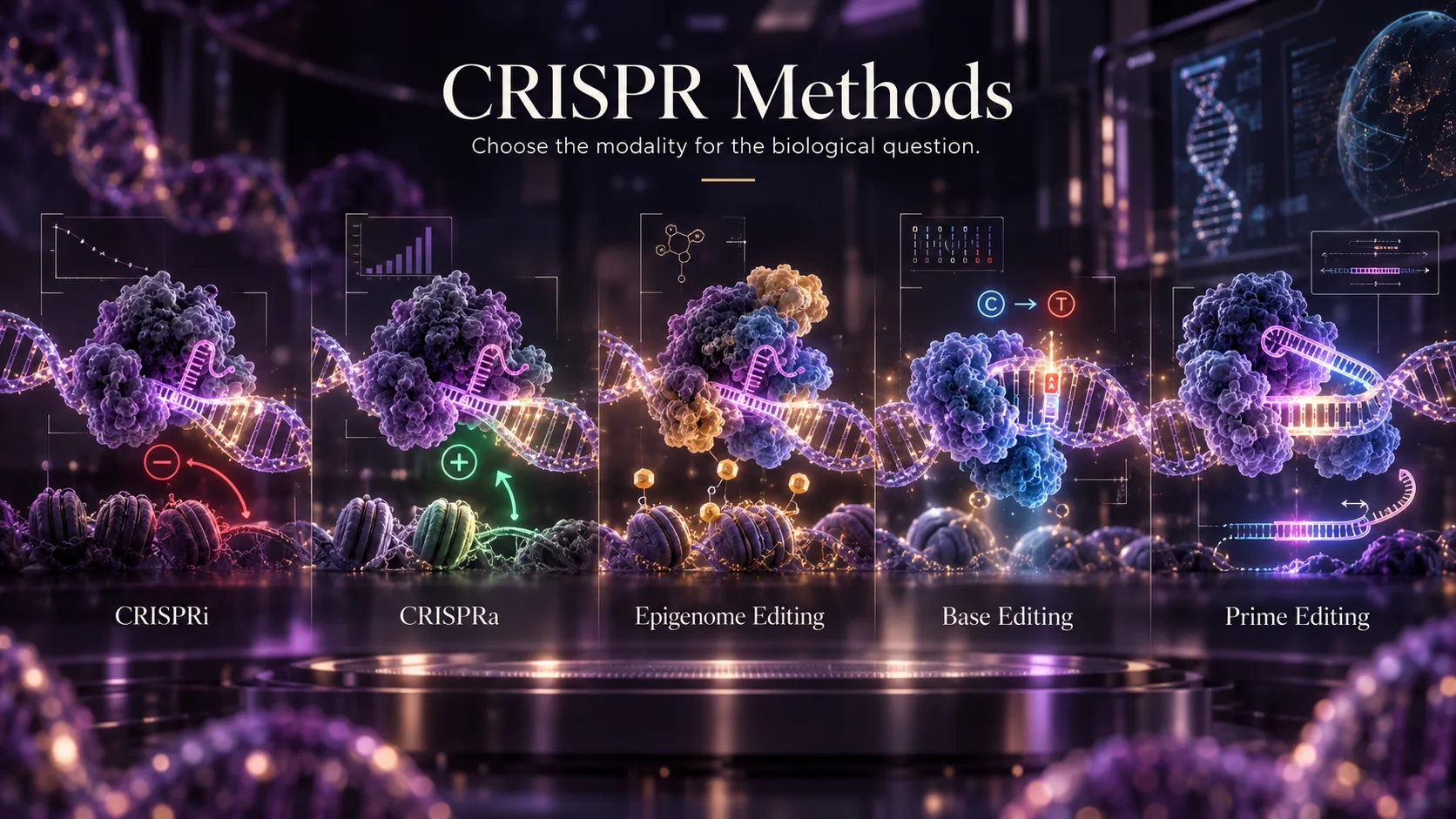
Compare seven approaches by the question, change and limitation. Export the matrix.
Build a draft framework for function, identity, cell survival, causality, safety and durability.
Identify unresolved expertise, rights, inputs, budget and handover questions before commissioning work.
A project brief defines outputs, missing capabilities and reasons to stop before a larger research investment.
One cell context. One useful function. An explicit decision.
Proposed project / qualification firstA selective interaction question—not a blanket knockout program.
Proposed project / qualification firstChoose the immune problem before choosing the platform.
Proposed project / qualification firstA defined source. A complete balance. A credible alternative.
Proposed project / qualification firstCellular-health questions, functional restoration, evidence systems and qualified research scopes.
A proposed climate-biology connection focused on environmental measurement and contained process feasibility. No deployed joint product is claimed.
The proposed Archive connects biological materials and original life records. Preservation, editing and personal continuity remain different questions.
Explore MaxwellX’s distinct research scope and tools. No CRISPR delivery capability or experimental partnership is implied by this link.
The address, the biological tool and the cell’s response are three different parts of the story.
Lowering a gene’s activity and raising it are not interchangeable tests. Neither is automatically a rejuvenation strategy.
The desired sequence change, tissue, delivery route and outcome measurement matter more than a platform label.
Causal discovery, functional restoration, senescence removal and human rejuvenation are different claims.
Finding a sequence is not the same as reaching a tissue or producing a useful biological effect.
Measure the intended result, the detected unintended outcomes and the limits of the assay.
Biology may change a process. A credible climate claim has to account for the complete outcome.
Population-level inheritance systems belong in a different evidence and governance category.
A cloned animal is a new individual. Cell preservation and a pet’s life record preserve different things.
A DNA file, a tissue specimen, recoverable cells and a life record are not interchangeable assets.
A published paper, downloadable program or purchased reagent is not a complete commercial permission package.
The useful commitment is a sequence of decisions—not a promise of a biological result by a date.
Tell us the decision, the evidence you have and the gap that blocks the next step. Start with nonconfidential context.