Choose the immune context
T-cell cytotoxic function and macrophage inflammatory polarization require different expertise, comparators and endpoints.
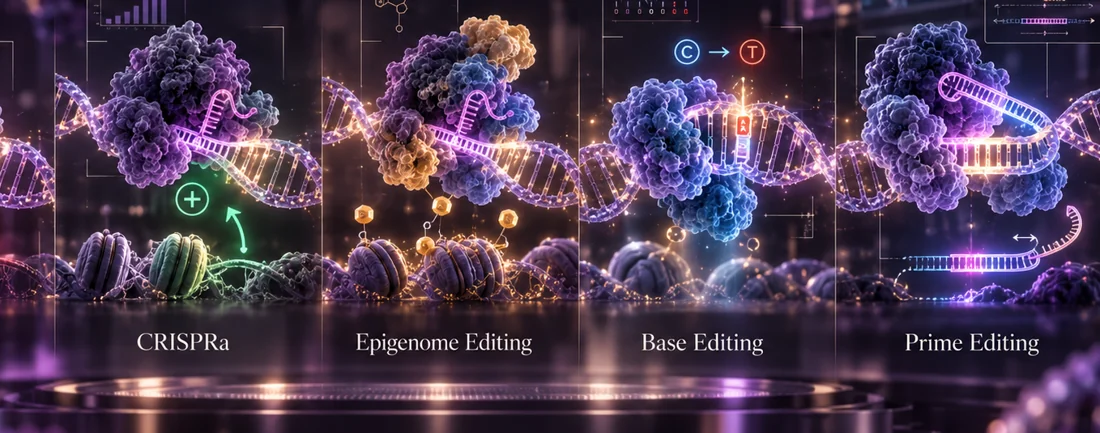
Give immune-cell research a sharper functional question.
Evaluate qualified immunology partnerships around aged T-cell dysfunction and primary myeloid-cell screening. These are distinct research contexts, not one promise to rejuvenate the immune system.
T-cell cytotoxic function and macrophage inflammatory polarization require different expertise, comparators and endpoints.
Review the model, delivery setting, donor and material rights, output data, quality expectations and capacity before proposing a commissioned study.
Mouse tumor control and associative human observations remain distinct. Any later product needs its own clinical and delivery rationale.
No therapeutic service or immune-cell product is offered. A study requires specialist accountability, appropriate facilities and project-specific review.
A program names the scientific direction. A project brief defines a proposed bounded work package. A commercial scope specifies what a buyer would receive and what must be qualified before contracting. These are related, but they are not interchangeable.
Screens identified Dusp5 and Zfp219 as regulators of T-cell expansion or cytotoxic function. Zfp219 loss combined with checkpoint inhibition improved tumor control in aged mice; the human ZNF219 observations were associative.
Virus-like particle tools enabled targeted engineering and pooled screening of primary human myeloid cells. In the macrophage context highlighted in the assessment, disrupting TNFAIP3 promoted inflammation.
The assessment describes donor-directed annealing with prime editing for large genomic replacement. One reported application was targeted CAR insertion into primary human T cells, with efficiency up to 28.1%.
Scientific summaries are adapted from the supplied 15 October 2026 CRISPR Project Assessment. Source records show the original references and review access; this release is not a new systematic review.
C02 — Chen ACY, Ji KY, Yerinde C, et al. CRISPR screens identify targets to rescue age-related T cell dysfunction in cancer. Cell. 29 July 2026.C08 — Jung H, Devant P, Ching C, et al. Virus-like particles enable targeted gene engineering and pooled CRISPR screening in primary human myeloid cells. Nature Biotechnology. 17 August 2026.C09 — Jung H, Jeong B, Kim YW, et al. Precise genomic integration of large DNA fragments by donor-directed annealing using prime editing. Nature Biotechnology. 28 August 2026.Tell us the decision, the evidence you have and the gap that blocks the next step. Start with nonconfidential context.